


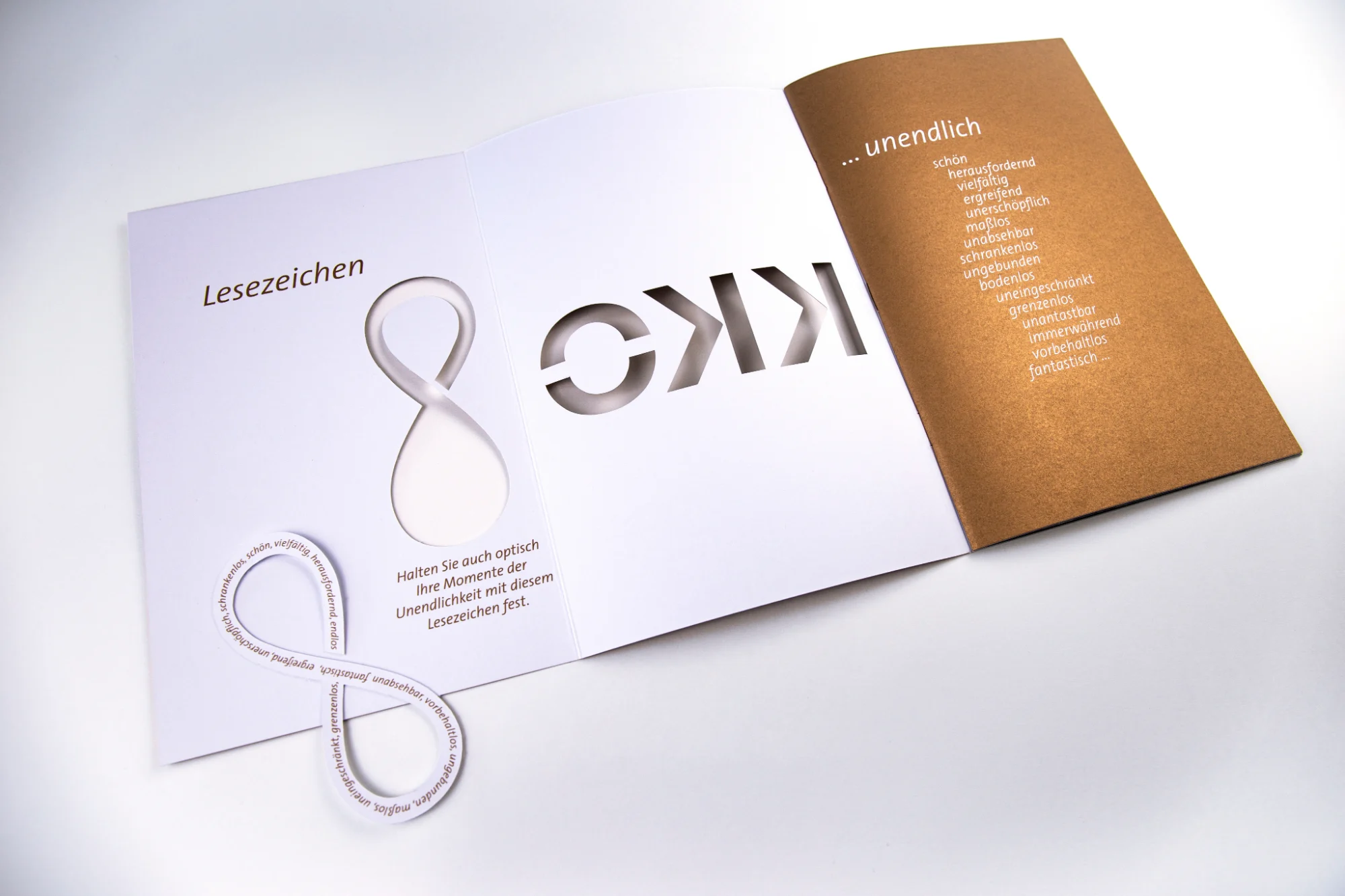
Print finishing in Mannheim
Folding, stitching, binding or die-cutting: we turn printed sheets into finished brochures, catalogues, mailings and other print products. We match the specification to paper, page count and use, so your finished products are easy to open, browse and file. Folding, stitching, binding or die-cutting: we match the finishing of your print products to the paper, page count and intended use.

What finishing does your print product need?
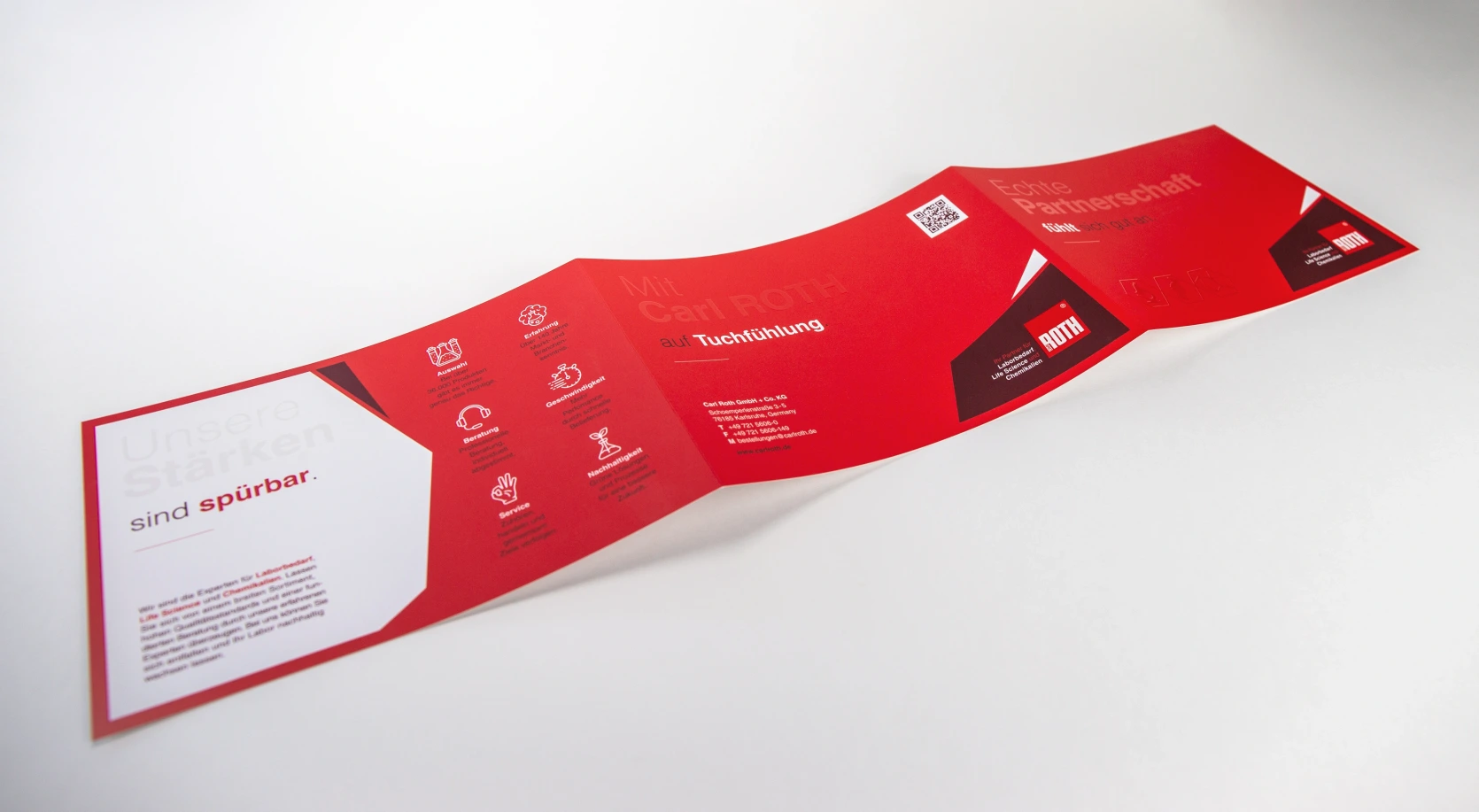
Folding and creasing
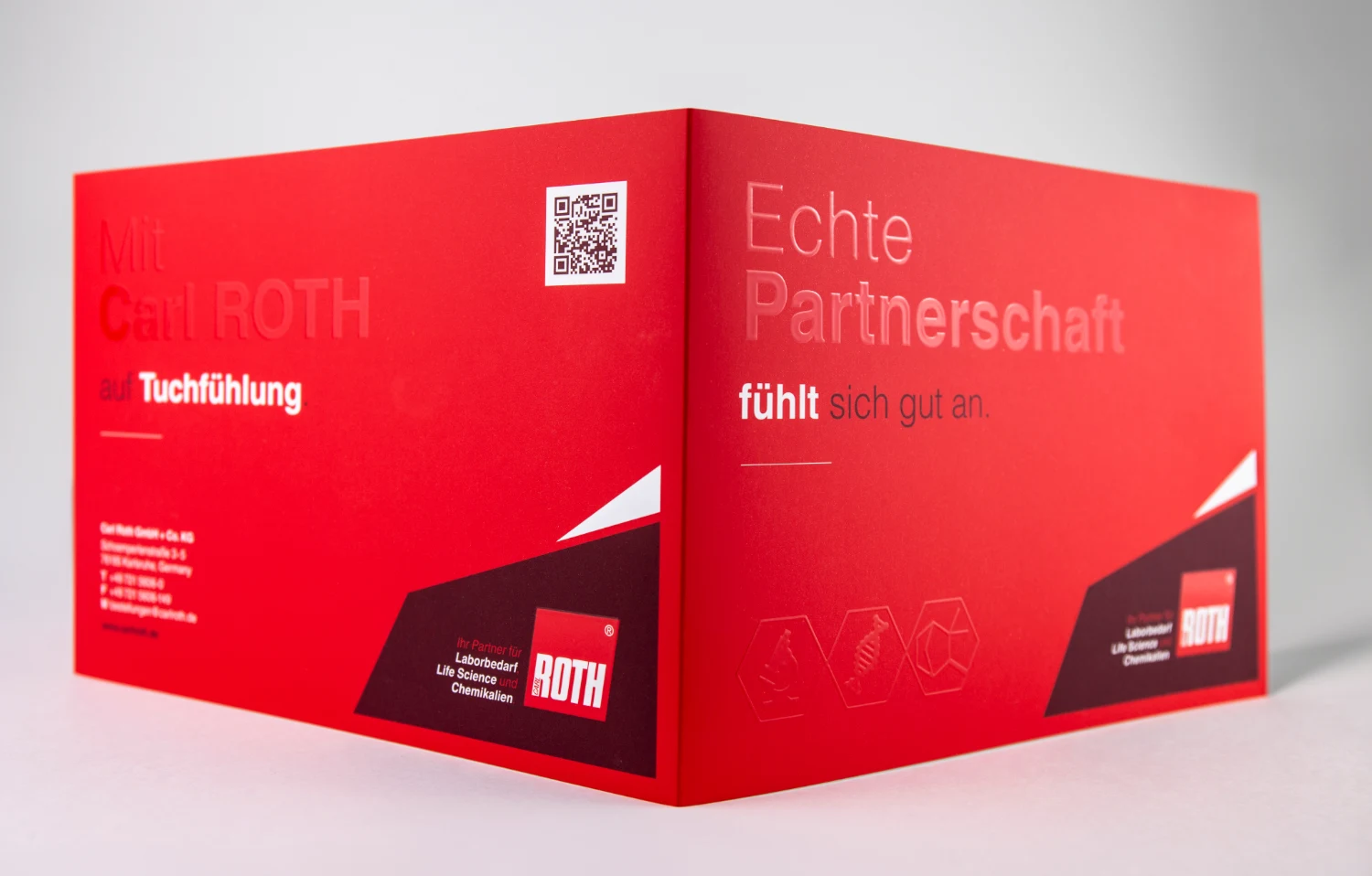
Folds organise content and bring printed sheets into the required format. The folding method determines the order in which pages open. Creasing prepares heavier papers and card for folding, for example for covers, cards and folders.
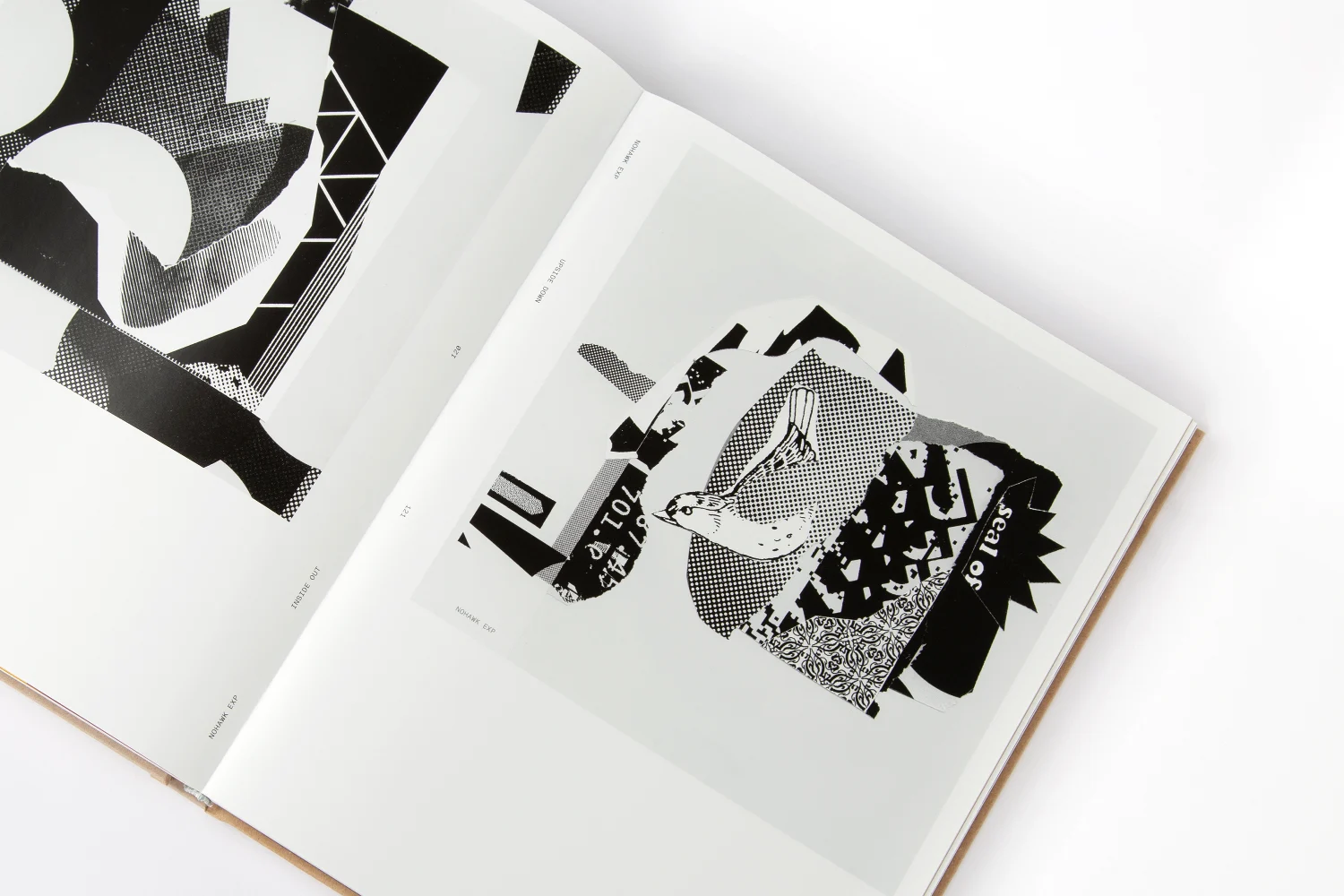
Stitching and binding
Binding depends on the page count and how the product will be handled:
Saddle stitching: Folded sheets are joined with wire staples along the spine. Loop staples also allow the product to be filed in a ring binder.
Perfect binding: Pages are glued together at the spine, for example for longer catalogues and reports.
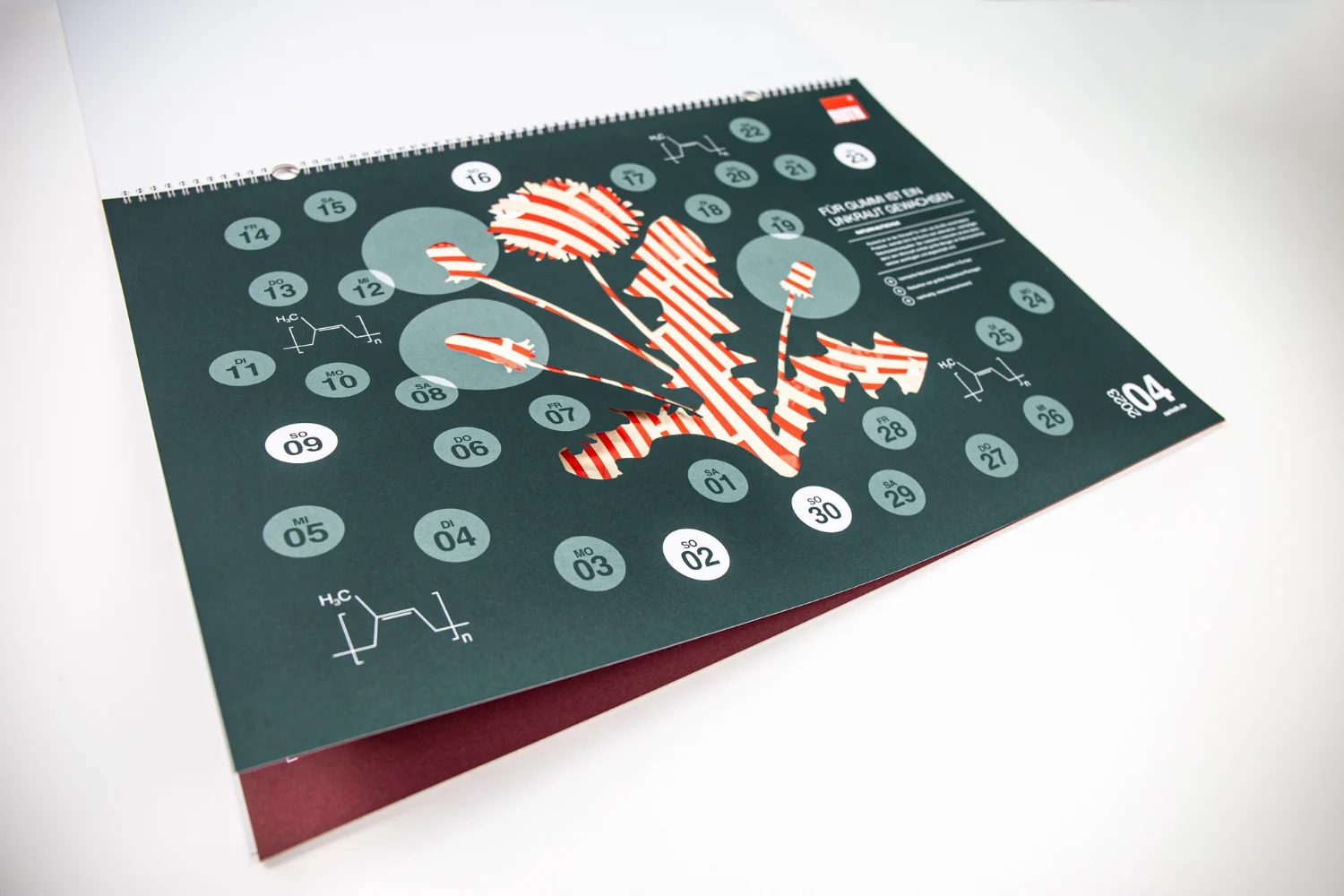
Wire-O and spiral binding: Pages can be folded back fully. Useful for working documents that need to stay open while reading or writing.
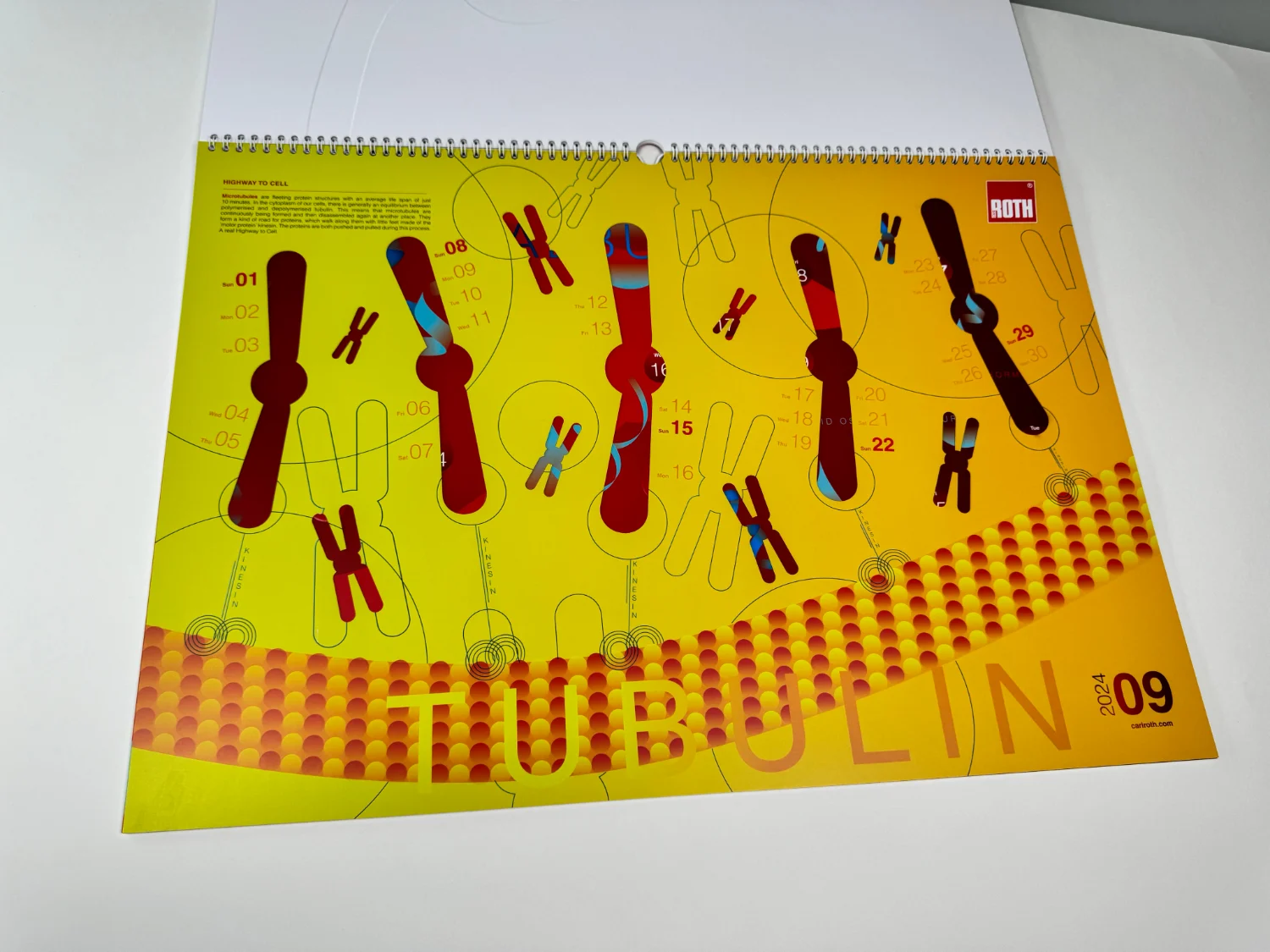
Cutting, die-cutting and perforating
Cutting brings the product to its finished size. Die-cutting creates special outlines, cut-outs or slots. Perforations create detachable areas, for example for reply cards or vouchers.
Finishing starts with planning
From press sheet to finished product
-

Agree the specification
Tell us the product, format, page count, quantity and deadline. Together, we define paper, binding and further finishing steps, forming the basis of the quotation and production plan.
-

Check files and construction
We check whether the artwork suits the planned finishing. Fold positions, spine width or die-cut outlines are agreed where needed. You approve any agreed samples and the final specification before production.
-
Finish and deliver
The printed sheets are cut, folded, bound or die-cut according to the agreed specification. We then prepare the finished products for packing and delivery.
Which binding or fold suits your project?
Tell us the format, page count, quantity and intended use. We will advise on suitable finishing. An existing sample or draft helps us understand what you have in mind.
Discuss the specification